
Dealing with plumbing issues can be a daunting task, especially since a simple leak can lead to significant water damage if not addressed pr...

Understanding the basics of plumbing can help homeowners identify issues early, and decide whether to attempt a fix or call a professional. Below, we detail how to recognize common plumbing problems, weigh the pros and cons of DIY versus professional repairs, and discuss how to maintain and choose the right materials for your plumbing system.
Common Plumbing Issues and How to Identify Them
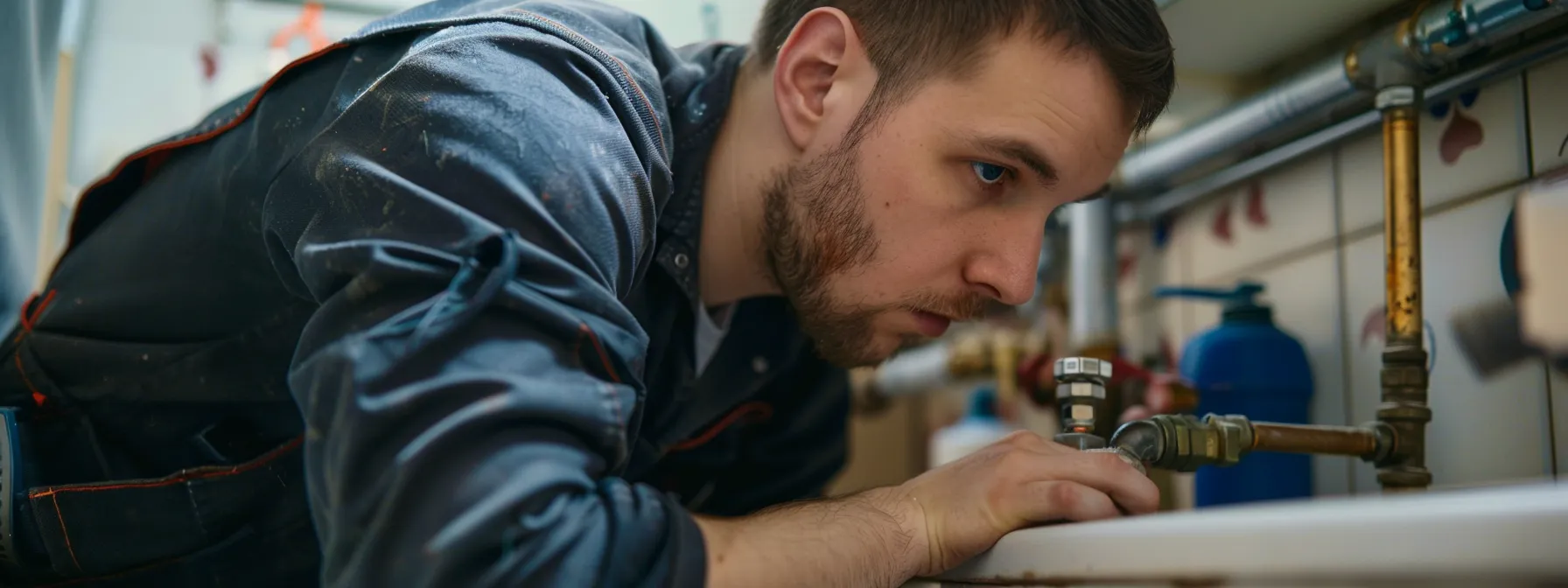
Leaks, clogs, and low water pressure are among the most common plumbing challenges homeowners face. With the average household's leaks accounting for nearly 10,000 gallons of water wasted every year, spotting these issues early is crucial.
Identifying a leak can often be as simple as checking for water accumulation under pipes or a constant dripping sound. Clogs are typically evidenced by slow drains or the unpleasant return of water. For low water pressure, irregular water flow, or sudden changes in pressure indicate there may be an underlying problem within your system. We treat the whole home, not just the symptoms, and understanding these signs can help you act quickly.
Regular inspections of exposed pipes, attentive listening for unusual sounds from fixtures, and monitoring the water meter for unseen leaks can provide actionable insights. If these issues are caught early, they can often be remedied with minimal disruption.
DIY Plumbing Fixes Versus Professional Services
While many minor plumbing issues can be handled on a do-it-yourself basis, it's essential to know when to enlist the help of a professional. Simple fixes like unclogging a drain with a plunger or changing a washer in a leaky faucet can be accomplished with basic tools and a bit of know-how.
However, more complex issues like pipe replacements or water heater installations should be left to seasoned experts. These situations often require specialized tools and knowledge that go beyond the average DIYer's skill set. Moreover, improper repairs can lead to more significant problems, which may be costlier to address.
Homeowners should assess their abilities realistically and consider safety implications before embarking on plumbing repairs. For complex projects, obtaining quotes from licensed professionals is a sound approach to ensure quality and cost-effectiveness.
Maintaining Your Home's Plumbing System
A well-maintained plumbing system is less likely to encounter serious issues. Regular maintenance like routine drain cleaning, inspecting faucets for leaks, and checking the water heater's functionality can prolong the life of your plumbing and reduce the need for emergency repairs.
Seasonal maintenance is particularly important, such as insulating pipes to prevent freezing in the winter and checking outdoor faucets for leaks in the spring. Implementing these strategies can help mitigate common seasonal issues. Additionally, being mindful of what goes down your drains and avoiding chemical cleaners that can erode pipes will help maintain a healthy plumbing environment.
For the best results, homeowners should create a routine maintenance schedule or consider a maintenance agreement with a trusted plumbing service. This proactive step can be instrumental in addressing minor concerns before they evolve into major problems.
Choosing the Right Plumbing Materials and Tools

The durability and efficiency of your plumbing system are directly influenced by the quality of materials and tools used for installation and repairs. Homeowners should opt for materials that meet or exceed local building codes and resist corrosion.
For instance, copper pipes are popular due to their longevity and resistance to bacteria, while cross-linked polyethylene (PEX) piping offers flexibility and is less prone to bursting. Selecting the right materials can make a difference in the functionality and lifespan of your plumbing systems. Be mindful of warranty offerings and manufacturer reputations when choosing materials for your project.
Regardless of the choice, having a set of essential tools like pipe wrenches, plungers, and adjustable wrenches is also important for tackling minor issues. For more specialized tasks, specific equipment such as tube cutters or augers may become necessary.
Ultimately, understanding the nuances of home plumbing can empower homeowners to tackle problems confidently and proactively manage their plumbing systems. From recognizing issues like leaks and clogs to maintaining the system and choosing the right materials, homeowners who take time to educate themselves can save money and prevent significant damage in the long run. By combining knowledge with the expertise of professionals when needed, the integrity of one's plumbing system can be maintained effectively.


