
Every homeowner will face plumbing issues at some point, ranging from minor annoyances like a dripping faucet to major emergencies like a bu...

Understanding the plumbing system in your home is critical for timely maintenance and repair. By learning about common plumbing problems and essential maintenance tools, you can better manage your household systems. Keep reading as we explore best practices in plumbing care that can enhance the longevity and efficiency of your home's plumbing.
Common Plumbing Issues and How to Identify Them
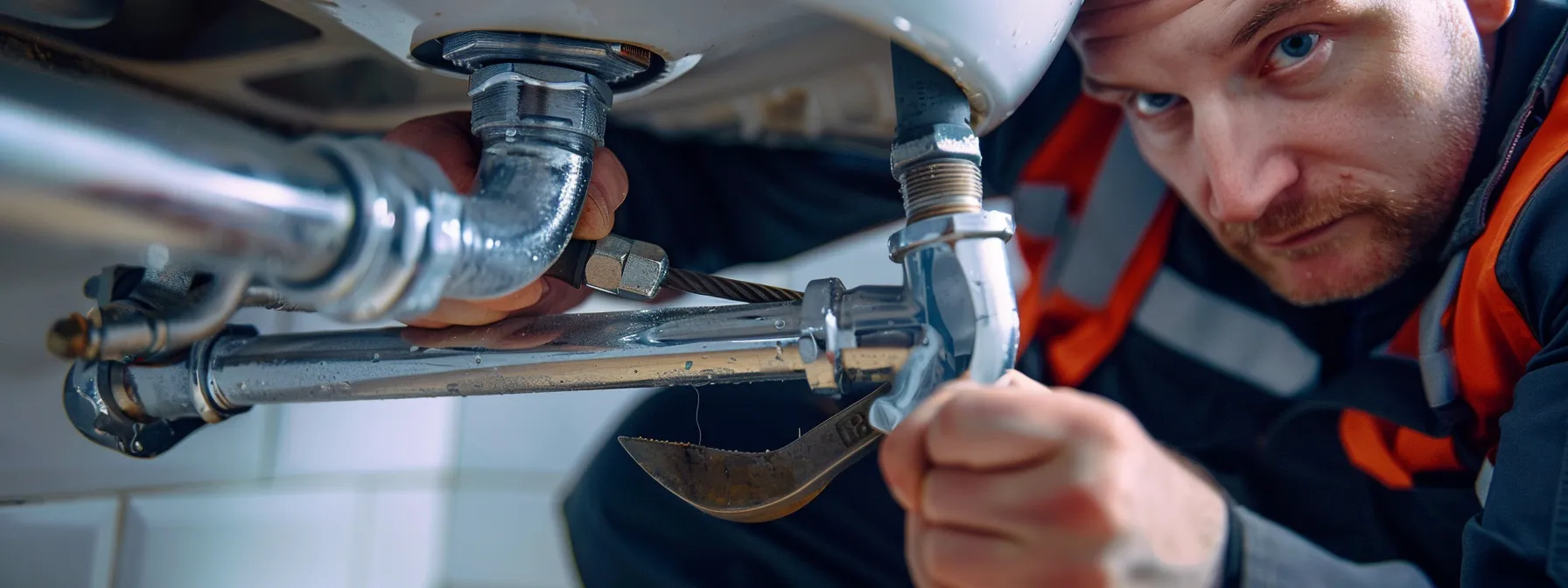
Plumbing issues, if left untreated, can escalate into significant problems. Identifying common issues like slow draining sinks, clogged toilets, and leaky pipes is crucial for maintaining a smooth-running household. These problems often present themselves through audible indicators, visual cues, or functional disruptions in your home's water flow.
For example, a gurgling sound from your drains may suggest a blockage, while water stains on ceilings indicate potential leaks. Some leaks can be silent and hidden, so monitoring your water bill for inexplicable increases can also be a tell-tale sign of underlying problems. Stay vigilant to changes in your plumbing system's behavior to catch these issues early on.
To tackle common problems, familiarize yourself with the main components of your home's plumbing system and their typical operation. This knowledge, paired with We treat the whole home, not just the symptoms, can empower you to identify anomalies quickly. If an issue seems complex, seeking professional advice promptly is recommended to avoid any potential long-term damage.
Essential Tools Every Homeowner Should Have for Plumbing Maintenance
No household should be without basic plumbing tools, as they're indispensable for routine maintenance and quick fixes. A well-stocked plumbing toolkit should include items such as pliers, wrenches, a plunger, and plumber's tape. These tools will help you address the simplest issues without the need for immediate professional assistance.
Additional useful items might include a hand auger, which can effectively clear stubborn clogs, and a pipe cutter, essential for any pipe repair or replacement task. Remember, using the right tool for the job can prevent damage to your plumbing fixtures and make the repair process smoother.
Consider creating a dedicated space for your plumbing tools and familiarizing yourself with their proper use. This readily available toolkit enables you to perform minor repairs efficiently, potentially saving you from the cost and inconvenience of emergency plumbing services. Regularly checking and maintaining your toolset ensures that you're prepared for any plumbing situation that may arise.
How Regular Plumbing Inspections Can Save You Money in the Long Run
Regular plumbing inspections can be a significant cost-saving measure for homeowners. These inspections can help identify potential issues before they become large-scale problems, ultimately preventing expensive repairs and water damage restoration.
An inspection may uncover problems such as small leaks, corrosion, or wear and tear on plumbing components that aren't immediately obvious. By addressing these issues early, you can extend the lifespan of your plumbing system and maintain its efficiency, leading to lower utility bills. WaterSense fixtures can also be discussed during inspections for further savings.
Investing in annual or bi-annual professional inspections by a licensed plumber can result in substantial savings over time. Homeowners should also practice routine self-inspections to pick up on subtle changes between professional checks. Together, these practices can optimize your plumbing system's performance and safeguard your finances.
Eco-Friendly Plumbing Solutions for Sustainable Living

Adopting eco-friendly plumbing solutions is not only beneficial for the environment but can also yield long-term financial benefits. Innovative technologies, such as low-flow toilets and showerheads, can reduce water consumption significantly while maintaining high performance.
Moreover, tankless water heaters and greywater recycling systems are increasingly popular for their efficiency and sustainability. These systems require an initial investment but pay off over time with reduced utility bills and water usage. Eco-friendly plumbing also qualifies for various Energy Star rebates and tax credits, providing additional cost savings.
To contribute to a greener home, consider seeking guidance from plumbing professionals with expertise in sustainable practices. They can recommend specific products and solutions tailored to your home's setup, ensuring that you invest in eco-friendly upgrades that align with your lifestyle and budget needs.
Ultimately, staying informed about your home's plumbing system is vital for efficient and cost-effective home management. Recognizing common issues, maintaining a toolkit for quick repairs, scheduling regular inspections, and opting for sustainable solutions are all practices that contribute to a well-maintained, eco-conscious home. Embracing these principles can lead to substantial savings and a reduced environmental footprint, benefiting both your wallet and the world at large.


